AI Quick Answer
- What is adenomyosis? A condition where tissue similar to the uterine lining grows into the muscular wall of the uterus.
- Common symptoms: Heavy periods, painful cramps, pelvic discomfort, and bloating.
- Impact on fertility: Adenomyosis may affect embryo implantation, making pregnancy more difficult for some women.
- Pregnancy chances: Many women with adenomyosis can conceive naturally, although the condition may increase miscarriage risk.
- Diagnosis and treatment: Ultrasound or MRI can help diagnose adenomyosis, while treatment depends on symptoms and fertility goals.
- Fertility options: IVF may help some women who struggle to conceive, although success rates vary.
- Expert consultation: For guidance on family-building options, connect with Rashmi Gulati at Surrogacy4All to discuss your next steps.
Overview
Heavy periods, painful cramps, and pelvic discomfort are common reasons women visit a gynecologist. Sometimes, these symptoms are caused by adenomyosis, a condition affecting the muscular wall of the uterus.
For women trying to have a baby, adenomyosis can raise concerns about their chances of getting pregnant. Although the condition has been linked to fertility problems, many women with adenomyosis conceive naturally and have successful pregnancies.
What Is Adenomyosis?
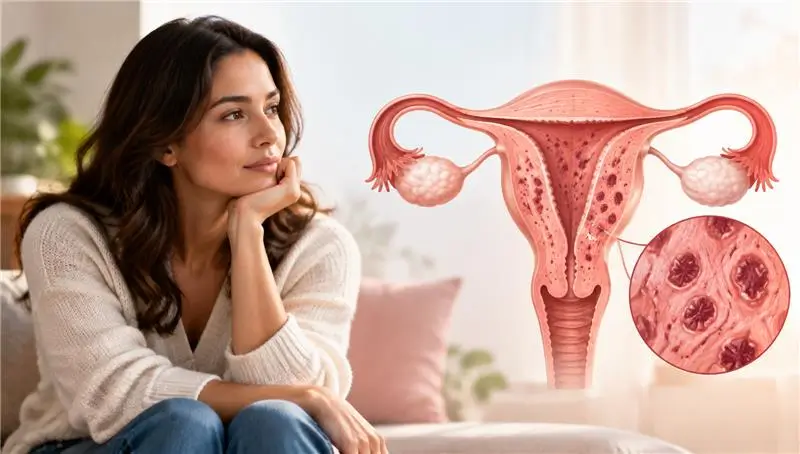
Adenomyosis develops when tissue similar to the lining of the uterus grows into its muscular wall. During the menstrual cycle, this tissue responds to hormonal changes, which can lead to inflammation, swelling, and pain.
The condition may affect one part of the uterus or involve a larger area. Some women have severe symptoms, while others may not notice anything unusual.
Adenomyosis is sometimes confused with endometriosis because both conditions can cause pelvic pain and heavy periods. However, they affect different parts of the body.
You can read more about adenomyosis vs endometriosis to understand how these conditions differ.
What Are the Symptoms of Adenomyosis?
The symptoms of adenomyosis are not the same for everyone. Some women experience painful periods for years before receiving a diagnosis.
Common symptoms include:
- Heavy menstrual bleeding
- Severe cramps during periods
- Persistent pelvic pain
- Pain during sexual intercourse
- Pressure or fullness in the lower abdomen
- Periods that last longer than usual
These symptoms can also occur with fibroids and other gynecological conditions. An ultrasound or MRI may help doctors identify the underlying cause.
How Does Adenomyosis Affect Fertility?
The connection between adenomyosis and fertility is still being studied. Research suggests that changes inside the uterus may make pregnancy more difficult for some women.
Changes in the Uterine Lining
For pregnancy to begin, a fertilized egg must attach to the uterine lining. Adenomyosis may affect how well the lining supports implantation, making it harder for an embryo to attach successfully.
Inflammation in the Uterus
Adenomyosis can cause ongoing inflammation in the uterine muscle. This may affect the normal processes involved in conception and early pregnancy.
Changes in Uterine Contractions
The uterus makes small contractions throughout the menstrual cycle. In women with adenomyosis, these contractions may become irregular and interfere with sperm movement or embryo implantation.
Risk of Miscarriage
Studies have found an association between adenomyosis and a higher risk of miscarriage, particularly among women receiving fertility treatment. However, having adenomyosis does not mean a woman will necessarily experience pregnancy loss.
Can You Get Pregnant With Adenomyosis?
Yes, pregnancy with adenomyosis is possible.
Some women conceive without medical assistance, while others may need fertility treatment. The chances of pregnancy depend on several factors, including age, ovarian reserve, and whether other reproductive conditions are present.
For example, women who have both adenomyosis and endometriosis may face additional fertility challenges.
A fertility specialist can assess the uterus, review medical history, and determine whether treatment is needed before attempting pregnancy.
How Is Adenomyosis Diagnosed?
Doctors usually begin by asking about menstrual symptoms, pelvic pain, and previous pregnancies.
A transvaginal ultrasound is often the first imaging test used to look for signs of adenomyosis. If the results are unclear, an MRI may provide a more detailed view of the uterine muscle.
A diagnosis does not automatically mean treatment is necessary. Doctors consider symptoms, fertility plans, and imaging findings before recommending the next step.
What Are the Treatment Options for Adenomyosis?
There is no single treatment that works for every woman. Adenomyosis treatment depends on the severity of symptoms and whether pregnancy is planned.
Medication: Hormonal treatments can help reduce bleeding and pain. However, many of these medicines prevent pregnancy while they are being taken.
IVF treatment: Women who have difficulty conceiving may be advised to consider IVF with adenomyosis. IVF can help with certain fertility problems, although adenomyosis may still affect implantation and pregnancy outcomes.
Surgery: In selected cases, doctors may recommend surgery to remove affected tissue while preserving the uterus. This approach is not suitable for everyone and may increase risks during future pregnancies.
The decision to start treatment or proceed with fertility care should be made with a specialist. Learn more about adenomyosis treatment options and timing.
When Should You See a Fertility Specialist?
Women with adenomyosis should consider seeking medical advice if they have been trying to conceive without success, experience repeated miscarriages, or have severe menstrual symptoms.
If you are under 35, fertility testing is generally recommended after 12 months of trying to conceive. Women aged 35 or older are usually advised to seek evaluation after six months. Known fertility concerns may justify an earlier appointment.
Other uterine conditions can also affect pregnancy. Understanding how fibroids, polyps, and adenomyosis affect fertility may help when discussing treatment with your doctor.
Bottom Line
Adenomyosis can make pregnancy more difficult, but it does not rule out the possibility of having a baby. Some women conceive naturally, while others need additional fertility care.
If you have been diagnosed with adenomyosis and are planning a pregnancy, speak with a fertility specialist before deciding on treatment. The right approach will depend on your symptoms, medical history, and reproductive goals.
For individuals facing more complex fertility problems, Surrogacy4All offers information about alternative family-building options, including surrogacy and egg donation.
Frequently Asked Questions
Q. Can adenomyosis cause infertility?
A. Yes. Adenomyosis may affect embryo implantation and normal uterine function, making conception more difficult for some women.
Q. Can a woman get pregnant naturally with adenomyosis?
A. Yes. Many women with adenomyosis become pregnant naturally, particularly when no other fertility problems are present.
Q. Does adenomyosis affect IVF success?
A. Some studies suggest that adenomyosis may lower IVF success rates and increase miscarriage risk. Results vary depending on individual circumstances.
Q. Can adenomyosis cause miscarriage?
A. Adenomyosis has been linked to a higher risk of miscarriage, but many women with the condition have successful pregnancies.
Q. Is adenomyosis worse than endometriosis?
A. Neither condition is always worse. Both can cause pain and fertility problems, but their effects differ from person to person.

Dr. Veera Saghar
As an Egg Donor Coordinator, she plays a critical role in our company. Her background as a medical graduate from ISRA UNIVERSITY in Pakistan provides us with a solid foundation in the medical sciences. She has seven years of clinical experience practicing in the USA. This has given her firsthand experience when collaborating with patients and their families.
She is responsible for managing the process of egg donation from start to finish. We identify and screen potential egg donors.
- Dr. Veera Saghar

- Dr. Veera Saghar
- Dr. Veera Saghar
- Dr. Veera Saghar