
Bringing a baby into the world through assisted reproduction is one of life’s greatest investments — emotionally and financially. Between 2022 and 2026, the cost of surrogacy in the United States has ranged from $120,000 to over $250,000 depending on structure, clinic, insurance coverage, and donor needs.
Many intended parents ask:
“What is the most cost-efficient, medically responsible way to have a baby — especially if we want a boy or a girl?”
At Surrogacy4All, we have refined a structured approach that maximizes success rates while controlling total cost:
- Optional sperm sorting for gender preference
- Creation of high-quality Day-5 blastocysts
- Transfer into a carefully screened U.S. surrogate within a transparent program
This guide provides a full breakdown of 2026 costs and explains how thoughtful planning can prevent expensive repeat cycles.
Step 1: Gender Preference Through Sperm Sorting
For families who wish to increase the likelihood of having a boy or girl, sperm sorting is the first step.
Sperm sorting separates X-chromosome (female) and Y-chromosome (male) bearing sperm before fertilization. While no method guarantees 100% gender outcome, reported accuracy may reach:
- 85–90% for female embryos
- 75–85% for male embryos
Sperm sorting is often used in conjunction with IVF and ICSI to maximize fertilization success.
2022–2026 Sperm Sorting Costs
| Item | Cost Range |
| Sperm sorting lab processing | $– $5,000 |
| Freezing & storage | $0– $1,000 |
| Transport to IVF lab | $0 – $800 |
Estimated Total: $5,000 – $6,800
For additional guidance, see:
Step 2: Egg Donor Strategy (If Needed)
If intended parents require donor eggs, donor compensation and medical management are major cost drivers.
Between 2022 and 2026, donor egg cycles in the U.S. have ranged from $30,000 to $60,000. However, carefully structured donor programs — including highly screened Indian egg donors — can reduce overall cycle cost while maintaining FDA compliance.
2026 Egg Donor Cost Breakdown
| Item | Cost Range |
| Donor compensation | $6,000 – $10,000 |
| Agency fee | $14000 – $18000 |
| Screening & genetic testing | $2,000 – $4,000 |
| Legal contract | $1,000 – $2,500 |
| Retrieval cycle | $8,000 – $15,000 |
| Medications | $3,000 – $6,000 |
Estimated Total: $34,000 – $55,000
If using your own eggs, costs may be reduced to $12,000–$20,000 depending on ovarian stimulation needs.
Learn more:
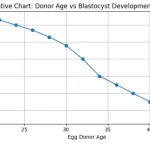
Step 3: Creating Day-5 Blastocysts (Why It Saves Money)
After fertilization, embryos are cultured to Day 5 (blastocyst stage) before freezing or transfer.
Why Day 5?
- Higher implantation rates
- Improved embryo selection
- Fewer failed transfers
- Lower overall cost per live birth
Many lower-cost programs fail to emphasize embryo quality. However, investing in high-quality blastocyst development often prevents $20,000–$30,000 in repeat surrogate transfer expenses.
IVF & Blastocyst Creation Costs (2026) IN USA WITH NO GUARANTEE
| Item | Cost Range |
| IVF laboratory | $12,000 – $18,000 |
| ICSI | $1,500 – $3,000 |
| Blastocyst culture | $1,000 |
| PGT-A testing (optional) | $3,000 – $6,000 |
| Embryo freezing | $1,000 – $2,000 |
| Annual storage | $500 – $1,000 |
Estimated Total : $18,000 – $30,000 for Ivf
Estimated Total : $34,000 – $55,000 for donors
Total cost : $55,000 – $85,000 for IVF + Fresh Donor cycle WITHOUT GUARANTEE OF ANY EMBRYOS
COMPARE WITH $49,000 FOR 3 GUARANTEED BLASTOCYST CYCLE INCLUDING DONOR EGGS FROM SURROGACY4ALL
Step 4: Transfer into a Cost-Efficient U.S. Surrogate
The largest portion of total cost is surrogate compensation and management.
From 2022–2026, average U.S. surrogacy journeys have ranged:
- High-end agencies: $180,000–$250,000
- Mid-tier programs: $140,000–$180,000
- Optimized physician-led models: $130,000–$150,000
Surrogacy Cost Breakdown
| Item | Cost Range |
| Surrogate compensation | $50,000 – $55,000 |
| Monthly allowance | $3,000 – $6,000 |
| Agency coordination | $30,000 – $35,000 |
| Legal contracts | $8,000 – $15,000 |
| Escrow management | $1,500 – $2,500 |
| Transfer cycle | $14,000 – $27,000 |
| Medications | $3,000 – $6,000 |
| Insurance (if required) | $10,000 – $25,000 |
Estimated Total: $130,000 – $200,000+
Explore:
Total Estimated Cost (2026)
Full Journey with Gender Preference & Donor
| Category | Low | High |
| Sperm Sorting | $4,000 | $6,500 |
| Egg Donor | $24,000 | $45,000 |
| IVF + Blastocyst | $18,000 | $30,000 |
| U.S. Surrogacy | $120,000 | $180,000 |
Testimonials
Michael & Aaron, New York
“After researching many agencies, we were worried about the high cost. This program gave us a clear plan and predictable pricing. Our daughter was born healthy, and we felt supported every step of the way.”
Priya & Rahul, California
“We needed donor eggs and were afraid of multiple failed cycles. The guaranteed blastocyst program helped us avoid extra expenses. Today, we are proud parents of a beautiful baby boy.”
Jennifer, Texas
“As a single intended mother, affordability was my biggest concern. The transparent pricing and professional coordination gave me peace of mind throughout the journey.”
Frequently Asked Questions (FAQs)
Q. What is the lowest cost way to have a baby through surrogacy in 2026?
Ans : The most affordable approach combines carefully screened egg donors (if needed), IVF with Day-5 blastocyst development, and transfer to a medically qualified surrogate. Structured programs can significantly reduce repeat cycle costs while maintaining high success rates.
Q. How much does surrogacy cost in the United States in 2026?
Ans : The total surrogacy journey in the U.S. typically ranges between $130,000 and $200,000+, depending on surrogate compensation, legal fees, insurance, and IVF services.
Q. Can I reduce surrogacy costs with donor egg programs?
Ans : Yes. Egg donor programs with pre-screened donors and guaranteed blastocyst options can help reduce overall IVF and donor cycle expenses while improving efficiency and predictability.
Q. What are blastocysts and why are they important?
Ans : Blastocysts are embryos grown to Day-5 before transfer. They have higher implantation rates and reduce the risk of failed transfers, which can save thousands of dollars in repeat attempts.
Q. How long does the full surrogacy process take?
Ans : The complete process usually takes 12 to 18 months, including donor selection, IVF embryo creation, surrogate matching, embryo transfer, and pregnancy.
Q. Can I choose the gender of my baby?
Ans : Yes, gender preference may be possible using sperm sorting and IVF techniques. These methods can increase the likelihood of having a boy or girl but do not guarantee 100% accuracy.
Q. Do guaranteed embryo or blastocyst programs improve success?
Ans : Guaranteed blastocyst programs can help ensure viable embryos are available for transfer, reducing financial risk and improving planning confidence.
Q. What is included in a typical surrogacy program?
Ans : Most programs include:
- Surrogate matching and screening
- IVF and embryo transfer
- Legal agreements
- Medical monitoring
- Surrogate compensation
- Case coordination
Q. Is surrogacy safe for intended parents and surrogates?
Ans : Yes. Licensed surrogacy agencies work with experienced fertility doctors, legal professionals, and screened surrogates to ensure safety and compliance.
Q. How do I get started with the lowest cost surrogacy program?
Ans : You can begin with a free consultation, where specialists explain the process, evaluate your medical needs, and provide a detailed cost breakdown and timeline.

Dr. Veera Saghar
As an Egg Donor Coordinator, she plays a critical role in our company. Her background as a medical graduate from ISRA UNIVERSITY in Pakistan provides us with a solid foundation in the medical sciences. She has seven years of clinical experience practicing in the USA. This has given her firsthand experience when collaborating with patients and their families.
She is responsible for managing the process of egg donation from start to finish. We identify and screen potential egg donors.
- Dr. Veera Saghar

- Dr. Veera Saghar
- Dr. Veera Saghar
- Dr. Veera Saghar